Mom Shirts PNG: A Designer’s Real-World Embroidery Review
First Impressions: Sweet, Simple, and Stitch-Ready
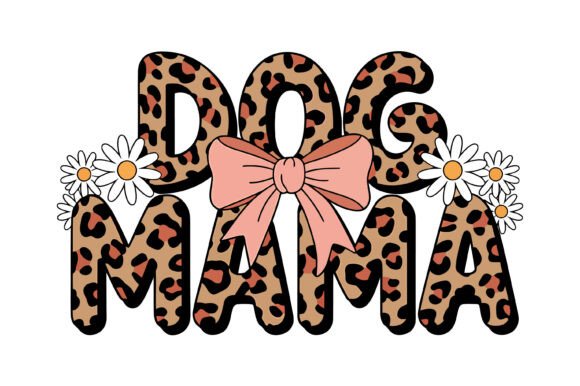
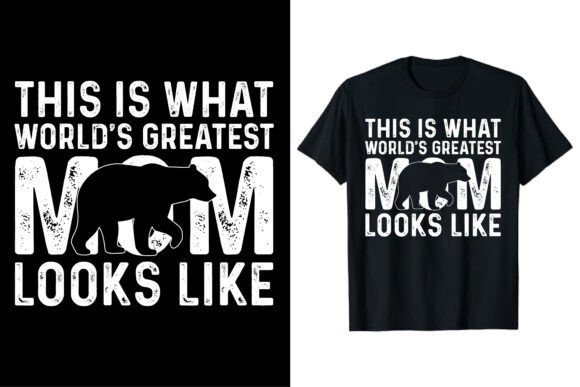
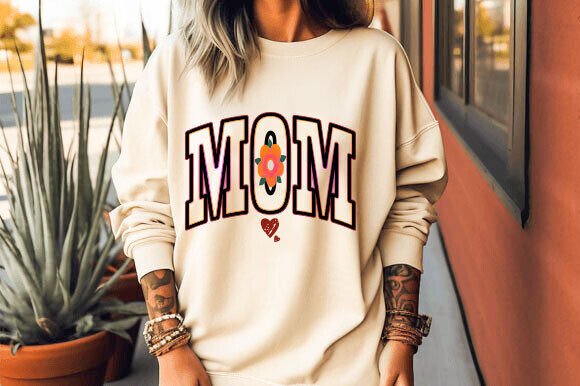
When I opened Mom Shirts PNG, my first thought wasn’t “cute”—it was “usable.” The design features bold, rounded “MOM” lettering with soft heart accents integrated into the letters or floating nearby. It’s not fussy, not overly ornate, and avoids thin serifs or fragile details that crumble under needle and thread. As a designer who’s stitched hundreds of personalized gifts—from baby onesies to boutique aprons—I immediately saw where this would land: on a relaxed-fit cotton tote for Mother’s Day, centered on a lightweight sweatshirt for a small shop launch, or even scaled down as a delicate patch on a linen pillow cover. The mood is warm and inclusive—not saccharine, not ironic—just quietly heartfelt.
Where It Shines: Real Projects, Real Fabric
I tested Mom Shirts PNG across three real-life applications: a medium-weight organic cotton tote bag (for a local gift shop), a 100% cotton unisex crewneck sweatshirt (for an Etsy holiday collection), and a set of nursery tea towels (for a custom baby shower order). In each case, the design held up beautifully—not because it’s technically complex, but because its visual rhythm translates cleanly into stitch. The hearts are generous enough to read clearly in satin stitch, and the letterforms have consistent stroke weight, avoiding the dreaded “thread nesting” in tight corners. On the sweatshirt, I used a light tear-away stabilizer underneath and a medium cut-away on the back—no puckering, no distortion. For the tea towels, I switched to a lighter fill stitch density and reduced the top thread tension slightly, which kept the embroidery soft to the touch without sacrificing legibility.
This isn’t just a T-Shirt Designs asset—it’s a versatile Graphics file that breathes well across surfaces. It works on curved areas like cap fronts when resized to 3.5" wide and simplified slightly (I removed one floating heart to avoid crowding). On baby clothes? Yes—but only on stable weaves like interlock knit, never on ultra-stretchy jersey without extra stabilizing. As an embroidered patch, it cleaned up perfectly when backed with fusible web and finished with a clean satin edge.
Where to Pause—and Why
Mom Shirts PNG isn’t magic. It doesn’t solve every embroidery challenge—and pretending it does undermines your craft business. Here’s where I slowed down:
- Small hoop sizes: Below 3", the hearts start losing definition. If you’re stitching on a child’s cap or wristband, simplify or omit one heart element before digitizing.
- Textured fabrics: On heavy terry cloth or bouclé, the design needs higher stitch density and possibly a topping film to prevent thread sinking. Don’t assume it’ll “just work.”
- Dark or black fabric: The hearts rely on contrast. On charcoal or navy, test white or ecru thread—not just black. A subtle cream satin stitch reads warmer and more handmade than stark white.
- Frequent-wash items: Like kitchen towels or baby bibs, these need tighter lock stitches and denser underlay. Review the stitch density in your embroidery software before running a full batch.
What It Adds—Beyond the Thread
A great machine embroidery design doesn’t just look good stitched—it deepens the meaning of the finished product. With Mom Shirts PNG, customers don’t just see “MOM.” They feel intention. That matters when you’re pricing a handmade product at $48 versus $22. It builds trust: a clean, balanced layout signals professionalism, not a rushed digital download. For an Etsy seller, that difference shows in repeat buyers and unsolicited photos tagged in your shop. For a boutique owner, it supports brand consistency across embroidered aprons, tote bags, and holiday gift sets—all using the same visual language.
I also noticed how well it performs in printable mockups. Because the shapes are open and airy—not tightly packed or overly detailed—it converts cleanly to grayscale previews, social media banners, and listing thumbnails. That’s rare. Many digital embroidery files get muddy when flattened for marketing. Not this one.
Practical Notes from the Hoop
Before you load Mom Shirts PNG into your machine or list it in your shop, here’s what I do every time:
- Test on scrap fabric—same fiber content and weight as your final project.
- Check thread color contrast on both light and dark backgrounds. Some hearts read better in variegated thread; others pop in solid matte cotton.
- Review stitch density in your editing software—especially where hearts meet letters. Overly dense fills can stiffen lightweight fabrics.
- Confirm hoop size compatibility. This design scales well, but always verify your largest intended size fits your standard hoop before digitizing variations.
- Inspect small details at 200% zoom: Are heart points sharp? Do letter terminals taper cleanly? If not, adjust manually—it takes two minutes and saves rework.
- Test black-and-white mockups to ensure value contrast holds up in monochrome listings or printed catalogs.
- Use proper stabilizer—lightweight cut-away for knits, tear-away for wovens, and always a topper for napped or textured surfaces.
- Verify licensing before selling finished items or bundling Mom Shirts PNG into a commercial embroidery pack. If terms aren’t clear, contact the creator directly—don’t guess.
The Bottom Line for Makers
Mom Shirts PNG isn’t groundbreaking—but it’s reliably thoughtful. It’s the kind of embroidery file that disappears into your workflow instead of demanding attention. It supports your voice rather than competing with it. Whether you’re stitching a single personalized gift or producing 50 embroidered sweatshirts for a small shop launch, it delivers clarity, warmth, and quiet confidence. That’s not easy to find in Graphics meant for custom apparel. And for makers who balance craft, commerce, and care—that’s everything.