Pekingese Mom Sunflower: A Real Embroidery Review
Some designs arrive with a gentle, knowing smile built right into the artwork. That was my first thought when I sat down with Pekingese Mom Sunflower. It carries a soft, sentimental warmth without tipping into saccharine territory. The mood lands somewhere between a sunny kitchen windowsill and a handmade Mother's Day card that actually feels personal. As a designer who has spent years testing embroidery files on everything from denim jackets to delicate baby onesies, I immediately started mentally placing this graphic on products I know sell well for craft business owners and small shop merchandise.
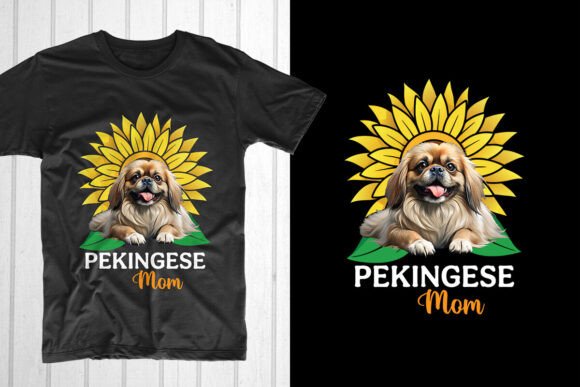
The composition pairs a proud Pekingese face with cheerful sunflower elements, and the visual personality feels both playful and heartfelt. It is not a hyper-detailed, photorealistic rendering, and that is precisely why it works for embroidery. The shapes read clearly at a glance, the theme is instantly recognizable, and the emotional hook is strong enough to make a customer pause while scrolling through Etsy listings or craft fair tables. When I evaluate a design for real stitching use, I ask one question first: Will this look better or worse after thread hits fabric? In this case, I believe the answer leans firmly toward better.
When a Design Feels Like a Gift Waiting to Happen
Last week I was preparing a custom embroidered tote bag for a client who wanted something special for her mother, a devoted Pekingese owner who practically lives in her garden. The moment I saw Pekingese Mom Sunflower, I knew it belonged on that project. The sunflower motif ties effortlessly into gardening themes, while the breed-specific dog illustration makes the product feel tailored rather than generic. That combination of personalization and seasonal cheer is difficult to find in ready-made embroidery design assets.
I ended up stitching it onto a natural canvas tote with a soft cream background. The design held its visual integrity beautifully. The sunflower petals created a nice frame around the dog's face, and the overall layout felt balanced without being stiff. This is the kind of graphic that makes a finished product look intentional, as if you custom-designed it for one specific person, even when you are producing multiples for a small shop product line or a holiday gift collection.
For crafters and Etsy sellers, that perceived personalization translates directly into higher prices and faster sales. Customers do not want mass-produced energy in a handmade product. They want something that feels chosen with care, and Pekingese Mom Sunflower delivers that emotional texture in a clean, stitch-friendly package.
Thread, Fabric, and the Reality of Stitching It Out
Testing a machine embroidery design on screen is one thing. Watching it form stitch by stitch on a textured fabric is another entirely. I ran a sample on a midweight cotton sweatshirt using a standard 40-weight polyester thread, and the results were encouraging. The sunflower portions relied on areas of fill stitch that laid down smoothly without excessive density, which is crucial for maintaining a soft hand on wearable items. Nothing frustrates a customer faster than a stiff, bulletproof patch of embroidery on an otherwise comfortable garment.
The Pekingese facial features used a combination of satin stitch and running stitch accents. I appreciated that the design did not try to cram too much microscopic detail into the eyes and muzzle. Those tiny elements are the first to turn muddy on textured fabrics or after repeated washing. Here, the expression remained readable and endearing. If you are stitching on a dark fabric, I strongly recommend testing your thread color contrast before committing to a full run. The sunflower yellows pop gorgeously on navy, charcoal, and forest green, but they can lose vibrancy against similarly warm tones like mustard or rust.
One practical note for apparel decorators and small business owners: Pekingese Mom Sunflower performs best on stable, non-stretchy fabrics when you are using a standard cutaway stabilizer. I would not personally choose this for a highly stretchy performance tee or a slinky rayon blend without floating a layer of wash-away topping to keep the satin stitch sections crisp. On a structured cap, the curved surface may challenge the outer sunflower petals slightly, so I would suggest testing the design on a flat or gently curved surface first, such as a tote bag, pillow cover, or apron front.
Where This Design Shines Brightest
After stitching and washing the sample multiple times, I can confidently say that Pekingese Mom Sunflower belongs on products that get displayed with pride. Think kitchen towels hanging near a sunny window, a throw pillow on a favorite reading chair, or a canvas tote carried to the farmers market. The design carries a homey, giftable quality that makes it ideal for Mother's Day, birthdays, or just-because surprises for dog-loving family members.
For boutique branding and craft fair products, this graphic fits into a product lineup without overwhelming it. You can pair it with simpler text-based designs or coordinate it with other breed-specific floral pieces, creating a collection that feels cohesive and professional. Printable mockups using this design photograph well, too, because the sunflower theme adds natural brightness and warmth to product listing images. When a buyer sees this on a mockup of a soft cream sweatshirt or a linen pillow cover, the emotional connection is immediate.
In terms of commercial embroidery projects, the design is versatile enough to work across multiple product categories without looking repetitive. I could easily see it rotating through a seasonal catalog as a limited-edition Mother's Day item, then reappearing later as a evergreen gift option for Pekingese enthusiasts. The sunflower element keeps it from feeling overly tied to a single holiday, which extends its selling window significantly.
Small Hoop Sizes and Tricky Corners
If you are running a single-needle machine with a compact hoop, you will want to double-check the design dimensions before purchasing. The sunflower petals radiate outward, and cropping them too tightly can make the composition feel cramped and unintentional. I would not recommend forcing this design into a tiny 4x4 hoop if the original file was digitized for a larger area, as the petal tips and fine details near the edges may lose clarity or become too dense to stitch cleanly.
On thin fabrics like lightweight cotton or linen blends, the fill stitch areas can cause slight puckering if you skip proper hooping and stabilization. A medium-weight tear-away stabilizer paired with a temporary adhesive spray solved that issue in my tests. For baby items and nursery decor, which often use softer, more delicate fabrics, I would recommend a soft cutaway stabilizer to maintain comfort against sensitive skin while still supporting the stitch structure.
Dark fabrics present a specific challenge with this design. The sunflower center and the Pekingese facial shading rely on subtle tonal shifts that can become less visible on black or deep navy grounds. I tested a version on a charcoal apron and found that the design still worked, but I needed to select thread colors slightly lighter than what the screen preview suggested. Always test a small section, or run a stitch-out on scrap fabric in the same color family, before committing to a full product run for a client order or craft fair inventory.
Customer Perception and the Value of a Well-Chosen Graphic
Here is something I have learned from years of selling handmade products: buyers make emotional decisions first and rational ones second. A design like Pekingese Mom Sunflower taps into that emotional decision-making process instantly. It signals warmth, thoughtfulness, and a specific affection for a beloved dog breed. That specificity is valuable. Generic floral designs do not create the same spark of recognition that a breed-specific graphic with a personal touch can generate.
When a customer sees this design on an embroidered patch, a sweatshirt, or a personalized gift, they do not just see a pretty picture. They see their own dog, their own mother, their own sunny kitchen. That connection builds trust in your brand and encourages repeat purchases. For Etsy sellers and small shop owners, this kind of design asset can become a reliable bestseller precisely because it feels personal without requiring actual customization work on every order.
From a presentation standpoint, the design photographs beautifully. The sunflower yellows create natural contrast against neutral backgrounds, and the Pekingese face adds an endearing focal point that draws the eye in product photography. If you use printable mockups for your digital product previews, this design will make your listings look polished and inviting, which directly impacts buyer engagement and conversion rates.
Practical Designer Notes Before You Stitch
Based on my testing and real-world use, here are the key points I would want any embroidery designer, crafter, or small business owner to know before working with Pekingese Mom Sunflower:
- Test on scrap fabric first. This is non-negotiable. Your machine, thread brand, and stabilizer combination will affect the final result differently than mine.
- Check thread color contrast. The sunflower petals and the Pekingese coat tones need to remain distinct from each other and from the fabric background. Test on both light and dark fabrics before finalizing your product line.
- Review stitch density. The fill stitch areas should feel smooth and flexible, not rigid. If the density feels too high on your specific machine, consider adjusting tension before altering the file itself.
- Confirm hoop size. Measure the design dimensions and ensure your hoop accommodates the full spread of the sunflower petals without forcing you to rotate or crop awkwardly.
- Inspect small details. The Pekingese eyes and nose are small but critical. Run a test stitch and check that these features remain clear and recognizable.
- Test in black and white mockups. Viewing the design in grayscale helps you assess contrast and value range, revealing potential issues before you invest in thread and fabric.
- Use proper stabilizer. Match your stabilizer to your fabric weight and stretch level. Cutaway for knits, tear-away for stable wovens, and wash-away topping for textured or napped fabrics.
- Check licensing before selling. Confirm that the design is approved for commercial use on finished products, and verify any restrictions on digital resale or file sharing.
I also want to emphasize that Pekingese Mom Sunflower works well as part of a larger product strategy. You can pair it with coordinating sunflower designs, breed-specific collections, or heartfelt text graphics to create bundles that increase average order value. For craft business owners who sell at markets or through Etsy, offering this design on multiple product types, such as a tote bag, a kitchen towel, and a sweatshirt, gives customers a reason to buy more than one item.
Final Verdict from the Embroidery Table
I have stitched out hundreds of designs over the years, and I have learned to trust my instincts about which ones will actually earn their place in a product lineup. Pekingese Mom Sunflower earns its place. It stitches cleanly, connects emotionally, and photographs beautifully. It is not a design that tries to do too much, and that restraint is exactly what makes it practical for real embroidery projects, from custom apparel and personalized gifts to boutique merchandise and holiday collections.
The sunflower theme gives it seasonal versatility, while the breed-specific Pekingese illustration keeps it anchored in a niche that passionate dog owners actively search for. For Etsy sellers, craft fair vendors, and handmade shop owners, that combination of searchability and emotional resonance is a powerful asset. Stitch it with care, test it properly, and let the design speak to the people who will love it most.