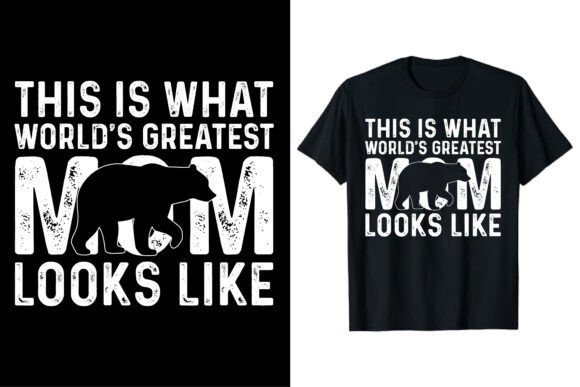
Mother's Day T-Shirt Design with Bear: A Designer's Honest Review
I've spent years working with embroidery designs for small shop products, and I always approach a new design with the same question: how will this actually stitch out on a real project? When I first looked at the Mother s Day T-Shirt Design with Bear, the immediate draw was the playful sentiment. The phrase "This is what world's greatest mom looks like" paired with a bear graphic creates a lighthearted mood that feels genuine rather than overly sentimental. It's the kind of design that makes someone smile before they even touch the fabric.
I decided to test this concept by planning a small run of embroidered tote bags for a Mother's Day boutique pop-up. My thinking was simple: a tote bag gets used daily, it's visible, and the flat surface gives me a clean canvas to evaluate how the design behaves under real stitching conditions. What I found through the planning and testing process is worth sharing with fellow makers who are considering this design for their own embroidery projects.
First Impressions and Visual Personality
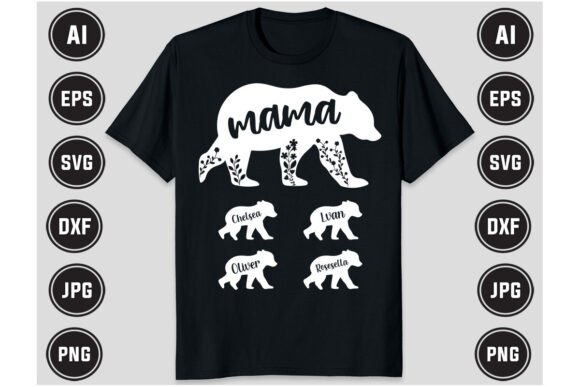
Opening the design file, the first thing that stands out is the balance between the bear illustration and the typography. The bear has a soft, approachable shape that reads as warm and family-friendly. This isn't a hyper-detailed wildlife illustration; it's a stylized character with a friendly face that translates well to stitched formats. For machine embroidery design purposes, that matters because overly complex illustrations can turn into dense, puckered messes on fabric.
The text "This is what world's greatest mom looks like" carries a funny, confident tone. It's the kind of statement that works on a custom apparel piece because it feels like an inside joke shared between the wearer and everyone who sees it. From a design perspective, the lettering appears clean enough to hold up as a satin stitch or a well-digitized fill stitch, though I'd want to test the smaller words at actual size before committing to a final run.
The overall mood is playful, celebratory, and just irreverent enough to appeal to moms who don't take themselves too seriously. That's a sweet spot for handmade product sellers because it broadens the buyer pool beyond the typical sentimental Mother's Day crowd.
Where This Design Naturally Belongs
After sitting with the design for a while, I started mentally placing it on different products. A tote bag design felt like the obvious starting point, which is why I chose it for my test project. But the more I considered it, the more applications opened up. A cozy sweatshirt with this design stitched on the left chest or centered on the back would be an easy seller. An embroidered patch version could be applied to denim jackets, baby bags, or even a simple canvas apron.
I also thought about baby embroidery and nursery items. A soft cream blanket with this design in muted thread colors could work beautifully as a gift from a child to their mom. The bear element gives it a youthful quality that bridges the gap between adult humor and kid-friendly charm. For Etsy sellers and craft fair vendors, that versatility is valuable because one design can serve multiple product categories without feeling forced.
Pillow covers, tea towels, and kitchen linens also came to mind. A holiday embroidery piece like this doesn't have to live only on clothing. Home decor items with stitched designs often command higher prices at markets, and the Mother's Day theme gives them a clear seasonal window.
Real-Life Embroidery Performance Considerations
Here's where the practical designer brain kicks in. I've learned the hard way that a design that looks great on screen can stitch out poorly if you don't think through the variables. With the Mother s Day T-Shirt Design with Bear, several factors deserve attention before you load the hoop.
Stitch Density and Detail Management
The bear illustration likely contains areas of fill stitch that could become dense depending on how the file is digitized. If you're working with a pre-digitized version, check the stitch density on the bear's face, ears, and body sections. Overly dense fill on soft fabrics like French terry or fleece can create a stiff patch that feels uncomfortable against the skin. On a sweatshirt, that might be acceptable. On a lightweight t-shirt, it could be a problem.
I always recommend running a test stitch on scrap fabric that matches your final product weight. Watch how the fabric pulls, whether the satin stitch borders on the lettering stay crisp, and whether any small details in the bear's features close up or blur together.
Fabric and Stabilizer Strategy
For my tote bag test, I used a medium-weight canvas with a cutaway stabilizer. That combination gave me a stable base, and the results were clean. If you're planning to stitch this on a sweatshirt or t-shirt, a no-show mesh stabilizer or a quality tear-away with a topper can prevent the stitches from sinking into the fabric nap. On stretchy fabric like a cotton jersey tee, add a layer of fusible stabilizer to keep the design from distorting during wear and washing.
For dark fabric, thread color contrast becomes critical. The bear's features need to pop against the background, so test your thread palette on the actual fabric color you plan to use. A design that looks charming on white can disappear on charcoal or navy if the thread choices aren't adjusted.
Small Details and Lettering Challenges
The phrase "This is what world's greatest mom looks like" includes several small words like "is," "what," and "this." When these are stitched at a reduced size, tiny lettering can lose legibility. I'd want to confirm the minimum recommended hoop size for this design and avoid pushing it smaller than the digitizer intended. If you're planning a cap or hat application, the curved surface adds another layer of complexity. Small text on a curved cap bill or front panel can warp if the design isn't specifically adjusted for that surface.
For products like baby clothes or infant onesies, scaling becomes even more important. A design that reads perfectly on an adult-sized tote might overwhelm a tiny baby garment. Test the scaled version on a similar fabric before offering it in your shop.
Product Value and Customer Perception
When a customer picks up a personalized gift with this design stitched on it, the first thing they notice is the quality of the stitching. Clean lines, consistent satin stitch borders, and a design that sits flat on the fabric all signal professionalism. Buyers associate that quality with the value of the product. A sloppy stitch job makes even the cleverest design feel cheap.
I've found that designs with a clear emotional hook like this one perform well in craft business settings because they sell themselves. A mom browsing a market stall sees the bear and the bold statement, laughs, and immediately connects with it. The design does the heavy lifting of creating desire. Your job as the maker is to execute the stitching so well that the finished product exceeds what the customer imagined.
For small shop product photography, this design photographs well on flat surfaces. A tote bag laid flat with the design centered, or a sweatshirt folded to showcase the embroidery, creates a clean product image that works for Etsy listings and social media. I'd recommend shooting it on both light and dark backgrounds to give buyers a clear sense of how it looks in different contexts.
Commercial Use and Licensing Essentials
Before you list products featuring this design, confirm the licensing terms. The product description mentions use for "sublimation T-shirts, pillows, and any other of your ch," which suggests commercial intent, but I always advise makers to verify the exact scope of the license. Can you sell finished physical products? Are digital transfers allowed? Is there a limit on production quantity? These questions protect your small business from legal headaches down the road.
If you're an Etsy seller or a digital product seller who plans to offer this as part of a bundle or a printable mockup, double-check whether the license covers those uses. Assuming permission without verification can lead to takedown notices or worse, and it's not worth the risk when you're building a brand.
Practical Testing Checklist for Makers
Based on my experience evaluating the Mother s Day T-Shirt Design with Bear, here's what I recommend before you stitch it for a paying customer or a shop listing:
- Run a full test stitch on fabric that matches your final product, not just scrap muslin.
- Check thread color contrast on both light and dark backgrounds. The bear's features need to stay visible.
- Review stitch density in the bear's body and the lettering. Adjust if the fabric puckers or feels stiff.
- Confirm hoop size compatibility with your machine's capabilities and the design's recommended dimensions.
- Wash the test piece at least once to see how the stitches hold up. Customers will wash these items, and you need to know the design survives.
- Inspect small details under good lighting. If the bear's eyes or the smaller words lose clarity, consider scaling up slightly.
- Test on curved surfaces if you plan to offer caps or hats. Flat designs don't always translate cleanly to curved panels.
- Verify licensing for commercial use, physical product sales, and any digital product applications.
Who This Design Works Best For
I'd recommend the Mother s Day T-Shirt Design with Bear to makers who specialize in custom apparel, personalized gifts, and seasonal holiday embroidery products. It's a natural fit for craft fair vendors who want a reliable Mother's Day bestseller. Boutique owners creating small-batch handmade products will find it easy to position. The bear adds a layer of charm that distinguishes it from text-only designs, and the humorous statement gives it broader appeal than traditional floral or script-based Mother's Day themes.
For embroidery designers building their own design assets library, this type of graphic works as a versatile base. You can adapt the color palette, scale it for different products, and pair it with complementary designs for bundled listings. A printable mockup featuring this design could also serve as a compelling preview image for digital product shops.
After working through the test process and imagining the design across multiple product types, I'm confident this is a solid addition to a maker's seasonal lineup. The design has personality, the stitching potential is strong when approached with proper technique, and the customer appeal is genuine. Like any embroidery project, success comes down to testing thoroughly, choosing the right materials, and respecting the details. Do that, and this bear will earn its place in your product rotation.