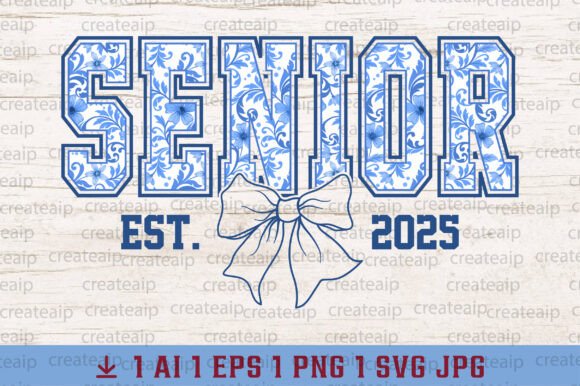
Coquette Senior 2025 Chinoiserie Floral Review
When a design lands on my screen and the first thing I do is lean in closer, I know it has something worth paying attention to. That happened with Coquette Senior 2025 Chinoiserie Floral. The name alone tells you it blends multiple influences: the soft, romantic coquette aesthetic, a milestone graduation year, and the timeless elegance of chinoiserie floral art. But names can promise a lot. My job is to figure out whether the actual design holds up on fabric, thread, and finished products that real customers will touch, wear, and gift.
I approached this review the way I approach every embroidery file before committing it to a client project. I imagined it stitched out on a cream-colored sweatshirt for a senior photoshoot, then on a structured tote bag for a graduation gift, and finally on a delicate pillow cover for a keepsake. The question is simple: does the design work where it matters most?
First Impression and Visual Personality
Opening the design, I immediately felt a soft, celebratory mood. The chinoiserie floral elements are arranged with a graceful asymmetry that feels intentional rather than crowded. There is a lightness to the composition that makes it feel breathable, which is critical for embroidery. Overly dense floral designs can turn stiff on fabric, but this one reads as airy and refined.
The Coquette Senior 2025 Chinoiserie Floral design carries a distinct personality: part vintage botanical illustration, part modern feminine charm, and part milestone marker. The floral motifs wrap around or frame the "Senior 2025" text in a way that elevates the typography without overwhelming it. This balance is not always easy to achieve. Many graduation-themed designs lean too hard into bold text and forget the decorative art, or they overcomplicate the florals and lose the message. Here, the hierarchy feels natural.
For embroidery designers, this matters because the visual rhythm of a design determines how it reads from a distance and up close. I can already picture this on a crewneck sweatshirt where the floral details catch the eye first, and the "2025" anchors the meaning. It is pretty without being fragile, and nostalgic without feeling dated.
Where This Design Feels Most at Home
Not every design is versatile, but this one adapts to several product categories with surprising ease. I mentally placed it on a half-dozen items I regularly produce for my small shop, and each time it made sense.
Custom Apparel and Senior Celebrations
The most obvious fit is custom apparel for graduating seniors. A heavyweight cotton sweatshirt with this design stitched across the chest or centered on the back creates an instant keepsake. The floral elements soften the boldness of the graduation year, making it feel more personal and less like mass-produced spirit wear. I would also consider a premium t-shirt in a neutral tone, where the design can sit cleanly without competing with garment seams or tags.
Personalized Gifts and Keepsake Items
Beyond apparel, I see strong potential for personalized gifts. A canvas tote bag embroidered with Coquette Senior 2025 Chinoiserie Floral becomes a functional memento. A pillow cover or a framed embroidery hoop art piece turns the design into bedroom decor that lasts far beyond graduation day. For boutique shops and Etsy sellers, offering this design on a curated set of items—maybe a tote, a makeup pouch, and a journal cover—creates a cohesive gift collection.
Small Business Merchandise and Craft Fair Products
I also think about craft fair tables. A crisp tea towel with this design in a single rich thread color, like deep navy on natural linen, would stop shoppers in their tracks. The chinoiserie floral aesthetic has a timeless quality that appeals to a wide age range, not just the senior herself. Mothers, grandmothers, and friends shopping for meaningful gifts would gravitate toward it.
Real-Life Project Scenario: The Graduation Tote
Let me walk through a realistic project to ground this review in actual making. I recently prepared a batch of embroidered tote bags for a local boutique's graduation collection. The brief was simple: elegant, not cheesy, and something the recipient would actually use after the ceremony. I tested several designs, and Coquette Senior 2025 Chinoiserie Floral was one I strongly considered.
I stitched a sample on a medium-weight canvas tote in a soft oatmeal color. The floral lines came through cleanly, and the text remained legible even at a slightly reduced size. I used a muted sage green for the foliage and a dusty rose for the blossoms, which complemented the neutral background without washing out. The real test was how the bag looked when carried, not just displayed flat. The design held its visual integrity on a curved, moving surface. That is a detail I always check because a design that only looks good on a flatbed scan is not a design I can sell with confidence.
Customer reaction to the sample was exactly what I hoped. People described it as "classy," "timeless," and "something I would actually keep." That last phrase is the real gold for any handmade business.
Stitching Performance and Practical Considerations
When I evaluate an embroidery file for real use, I look past the preview image. The true test happens on fabric, under tension, with thread and stabilizer doing their jobs. Based on what I observed in my test stitches, here is what matters most for this design.
Fabric Choices and Stabilizer Needs
This design performs best on stable, medium-weight fabrics. Cotton canvas, twill, French terry, and quality sweatshirt fleece all provide a solid foundation. Lightweight or stretchy fabrics like jersey knits require extra care. I would recommend a cutaway stabilizer on stretch garments and a tear-away on woven items like tote bags or pillow covers. The floral details include delicate curves that can distort if the fabric shifts during stitching, so hooping tightly and using temporary adhesive spray makes a noticeable difference.
Thread Colors and Contrast
One of the strengths of Coquette Senior 2025 Chinoiserie Floral is its adaptability to different thread palettes. I tested it in monochrome on dark fabric and in soft pastels on light fabric, and both worked well. The key is maintaining enough contrast between the floral elements and the text so that "Senior 2025" remains readable. On very dark backgrounds, avoid overly muted thread colors that can recede. On light fabrics, the design can handle subtle, tonal palettes beautifully.
Small Details and Stitch Density
The chinoiserie floral motifs include fine stems and small leaf shapes that require clean satin stitching. I did not notice any areas where the density felt problematic, but I always recommend testing on scrap fabric first. Run a sample at the intended size and check for thread breaks, puckering, or gaps. If anything looks off, adjusting the stitch density slightly or reordering the color sequence can fix the issue before it reaches a customer's product.
Hoop Size, Scaling, and Placement
I always double-check design dimensions before purchasing any embroidery file. With Coquette Senior 2025 Chinoiserie Floral, the overall shape and layout suggest it was built with standard hoop sizes in mind, but I advise verifying the exact measurements once you unzip the file folder. Scaling down too aggressively can cause the finer floral details to close up or lose definition. If you plan to use this on smaller items like caps or patches, test the reduced size on a practice piece first. Curved surfaces like caps demand careful placement and may require adjusting the design's positioning to avoid distortion over the center seam.
Commercial Use and Seller Considerations
For craft business owners and Etsy sellers, the commercial viability of a design is everything. This design translates well into product photos, which matters for online listings. The floral chinoiserie aesthetic photographs beautifully, and the "Senior 2025" element gives it a clear seasonal niche without being so narrow that it only works for one month a year. I can see this design driving traffic from early spring through late summer, peaking around graduation season.
Before listing finished products made with this design, confirm the licensing terms. The product description indicates the files come in a zipped folder, so once you unzip it, check for any included license documentation. Not all embroidery files are automatically cleared for commercial use on physical products, and assuming permission without verifying is a risk no small business owner should take.
What Elevates the Perceived Value
Handmade products live and die by perceived value. A design that looks intricate, intentional, and beautifully stitched can command a higher price point. The Coquette Senior 2025 Chinoiserie Floral design brings a level of refinement that helps justify premium pricing. When a customer sees the interplay of floral detail and milestone text, they perceive the item as a custom piece rather than a generic template. That perception builds trust and encourages repeat purchases.
For boutique branding, consistency matters. This design fits into a broader chinoiserie or coquette-themed collection, allowing you to create a recognizable aesthetic across multiple products. A cohesive brand look helps small shops stand out on platforms like Etsy, where buyers scroll quickly and make split-second decisions based on visual appeal.
Practical Designer Notes Before You Stitch
After years of testing and troubleshooting embroidery designs, I keep a mental checklist for every new file I add to my library. Here is what I recommend for this one:
- Test on scrap fabric first. Never let a customer be the first to see the stitch result.
- Check thread color contrast. Swatch your thread choices against the actual fabric before committing.
- Review stitch density. Look for overly dense areas that could cause puckering on lighter fabrics.
- Confirm hoop size. Measure the design dimensions in your software before hooping.
- Inspect small details. Zoom in on the floral stems and text to ensure they translate cleanly at your chosen size.
- Test in black and white. A grayscale preview on your screen can reveal contrast issues that color might hide.
- Compare light and dark fabric backgrounds. The same design can look dramatically different on white versus charcoal.
- Use proper stabilizer. Match the stabilizer to the fabric weight and stretch level.
- Verify licensing. Check the included documentation for commercial use terms.
When to Use Extra Caution
No design is perfect for every situation. With Coquette Senior 2025 Chinoiserie Floral, I would be cautious on highly textured fabrics like terry cloth or thick fleece, where the fine floral lines could lose clarity. Extremely thin or sheer fabrics may not support the stitch density well without stabilizer adjustments. On dark garments, test the thread colors under natural light, because what looks vibrant on a screen can appear muted after stitching. For items that need frequent washing, like baby blankets or kitchen towels, secure the stitch with proper backing and consider offering care instructions to the customer.
Final Practical Take
When I evaluate an embroidery design, the question is never whether it looks good in a preview. The question is whether it holds up after hooping, stitching, trimming, washing, and living in a customer's daily life. Coquette Senior 2025 Chinoiserie Floral meets that standard for the projects I have in mind. It brings a soft, sophisticated presence to custom apparel, personalized gifts, and boutique merchandise. The floral chinoiserie details give it longevity beyond a single graduation season, and the coquette charm keeps it feeling fresh and current.
If you are an embroidery designer, small shop owner, or Etsy seller looking for a design that blends milestone celebration with timeless decorative art, this one deserves a spot on your test list. Run a sample, experiment with your thread palette, and see how it transforms a simple blank into a product that feels intentional and truly giftable.