Colorful Autism Mama Puzzle Design Review
I pulled up the Colorful Autism Mama Puzzle Design on my screen late last night, the kind of quiet hour when I actually get to test new artwork before committing it to thread and fabric. The first thing that struck me was the mood. It doesn't feel like a loud awareness slogan. It feels like a soft, proud declaration. The puzzle element, the word Mama, the colorful arrangement, it all lands somewhere between a warm hug and a quiet statement of identity. That matters when you're stitching something someone will wear or carry every day.
As an embroidery designer who regularly tests files for boutique apparel, craft fair products, and Etsy listings, I look at a design through the lens of practical use. Not just how it looks on a screen, but how it will actually hold up under stitches, how it will read on a finished tote bag, how customers will react when they see it hanging on a rack at a small shop. The Colorful Autism Mama Puzzle Design has a personality that feels built for those exact moments.
First Look at the Puzzle Mama Artwork
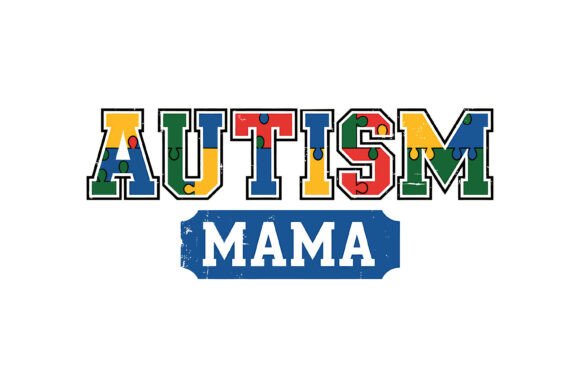
The visual personality of this design leans into the puzzle motif without overcomplicating things. The word Mama sits at the center of the composition, surrounded by colorful puzzle pieces that feel intentionally placed rather than randomly scattered. There's a sense of order and warmth. The lettering has a friendly, approachable shape, nothing too formal or too childish. It sits in that sweet spot where a mother, a grandmother, an aunt, or an advocate could wear it comfortably.
When I mentally map this onto a sweatshirt or a canvas tote, I can already see how the color transitions would play out in thread. The puzzle pieces offer natural breaks for color changes, which is a practical advantage. You're not dealing with one massive fill area that could become dense and stiff. Instead, the segmented nature of the puzzle gives you manageable stitch sections, and the contrast between pieces creates visual interest without requiring a dozen thread changes.
Where This Design Truly Belongs
I'll be honest. Some designs look great as digital files but fall apart when you try to stitch them out. The Colorful Autism Mama Puzzle Design feels like it was born for apparel and soft goods. The puzzle theme naturally connects to autism awareness, and the Mama element makes it deeply personal. This isn't a generic awareness graphic. It's a design that speaks to a specific person, a mother who advocates, who supports, who shows up.
I can picture this on a soft cotton sweatshirt, the kind with a relaxed fit that someone throws on for a support walk, a school meeting, or just a regular Tuesday. The design would hold its own on a tote bag carried to therapy appointments or the grocery store. It would work beautifully on a kitchen towel hanging in a home where autism is part of everyday life. Even a baby onesie or a toddler tee could carry this design, though you'd need to scale it carefully for smaller hoop sizes.
Sweatshirts and Apparel That Tell a Story
Custom apparel is where this design shines brightest. A crewneck sweatshirt with the Colorful Autism Mama Puzzle Design stitched across the chest creates an instant connection. People notice puzzle pieces. They recognize the word Mama. The combination invites conversation without screaming for attention. For small business owners selling handmade products at craft fairs or on Etsy, this kind of design builds customer trust because it feels intentional and thoughtful rather than mass-produced.
When I test a design for apparel, I always think about thread weight and stitch density. The puzzle pieces will need clean satin stitch borders or well-placed fill stitches to maintain their shape. The lettering requires crisp edges so the word Mama reads clearly at a glance. The colorful elements, if digitized properly, can create a playful, uplifting effect against neutral fabric like heather gray, soft white, or even a muted pastel.
Tote Bags and Everyday Carry Items
A few weeks ago, I prepared a custom embroidered tote bag for a client who wanted something personal for her sister, an autism mom. The design I used had a similar puzzle and text combination. The feedback was immediate. Her sister carried that tote everywhere, and strangers would stop her to ask where she got it. The Colorful Autism Mama Puzzle Design has that same giftability. It turns a simple tote bag into a small billboard of support and identity.
Tote bags offer a flat, stable surface, which makes embroidery easier. The canvas texture holds stitches well, and the larger printable area gives you room to size the design generously. I'd recommend a medium to large hoop for a tote bag project, something that lets the puzzle pieces breathe and the lettering stay legible. Testing on scrap canvas first is always a smart move, especially to check how the thread colors interact with the fabric tone.
Pillow Covers, Nursery Decor, and Home Goods
This design translates surprisingly well to home decor. A pillow cover with the Colorful Autism Mama Puzzle Design becomes a meaningful accent in a nursery, a playroom, or a family living space. The colorful puzzle pieces add a cheerful note that works for children's spaces while the Mama text keeps it rooted in a parent's perspective. It's a gentle design, not overly stimulating, which matters for sensory-friendly environments.
Blankets and quilts are another possibility, though you'd want to use a lightweight stabilizer and avoid dense stitching that could make the fabric stiff. The design's segmented layout actually helps here. Puzzle pieces can be stitched with running stitch details or lighter fill, keeping the blanket soft and drapeable.
Fabric and Surface Considerations
Not every fabric welcomes every design. I've learned this the hard way over years of testing. The Colorful Autism Mama Puzzle Design needs a stable, smooth surface to look its best. Medium-weight cotton, canvas, denim, and polyester blends all handle this type of design well. The puzzle pieces and lettering require a surface that won't shift or pucker under dense stitching.
Stretchy fabric like thin jersey or performance wear demands extra care. A strong cutaway stabilizer becomes essential, and you might need to baste the fabric to prevent shifting. Textured fabrics like terry cloth or loosely woven linen can distort the puzzle edges, making the pieces look fuzzy or uneven. Dark fabric creates a different challenge. The colorful puzzle pieces will pop beautifully against black or navy, but the lettering needs enough contrast to stay readable. Testing thread colors on a dark background before committing to the final stitch is a step I never skip.
Thin Fabric and Small Hoop Limitations
If you're working with a small hoop, something like a four by four inch frame, you'll need to scale the design down carefully. The puzzle pieces and the word Mama must remain clear and distinct. Shrinking the design too much can cause the lettering to blur, the puzzle edges to merge, and the overall impact to weaken. I'd recommend keeping the design at a size where each puzzle piece maintains its individual shape and the text stays comfortably readable.
Thin fabric, like a lightweight baby onesie, requires a gentle touch. A dense fill stitch on thin cotton can create a stiff, uncomfortable patch against delicate skin. Using a softer fill pattern or adjusting the stitch density helps the finished product feel wearable and comfortable. The design's colorful nature naturally draws attention, so you want the stitching to feel smooth and professional, not heavy and scratchy.
Stitching Practicalities and Designer Notes
Before I ever stitch a design for a client or a product listing, I run a test on scrap fabric. It's a simple habit that saves hours of frustration. The Colorful Autism Mama Puzzle Design deserves that same careful approach. Check the thread color contrast against your chosen fabric. What looks vibrant on a screen might look muted under thread, especially if the fabric color bleeds through or the thread sheen shifts the tone.
Stitch density is another critical factor. The puzzle pieces should feel solid but not stiff. The lettering needs enough density to look crisp without becoming bulky. If the design includes small decorative accents or tiny puzzle details, inspect those closely on the test stitch. Tiny elements can close up or lose definition if the density is too high or the fabric texture is too rough.
Thread Colors, Stabilizer, and Hoop Setup
Thread color selection makes or breaks this design. The word colorful is right there in the title, so the palette should feel lively and intentional. I'd recommend choosing a set of bright but harmonious thread colors for the puzzle pieces, maybe primary colors with a softer accent shade, so the overall look feels cohesive rather than chaotic. The Mama text benefits from a solid, slightly darker thread that anchors the design and keeps the eye focused.
Stabilizer choice depends on the fabric. For a sweatshirt or knit fabric, a medium-weight cutaway stabilizer provides lasting support through washes. For a tote bag or canvas, a tear-away stabilizer works well and leaves a clean back. For a cap or curved surface, you'll need a strong adhesive stabilizer and careful hooping to keep the design from distorting over the curve.
Testing in Black and White Mockups
One trick I use regularly is testing the design in a black and white mockup. Strip away the color and look at the shapes, the contrast, the spacing. If the puzzle pieces and the word Mama still read clearly without color, they'll hold up beautifully in thread. This test also helps you spot areas where the design might rely too heavily on color to convey meaning. The Colorful Autism Mama Puzzle Design has enough structural clarity in its puzzle shapes and lettering to pass this test, which is a strong sign of good design composition.
Commercial Use and Small Business Potential
For Etsy sellers, craft business owners, and handmade shop operators, the commercial viability of a design matters as much as its visual appeal. The Colorful Autism Mama Puzzle Design fits into a niche that has genuine, sustained demand. Autism awareness products, parental advocacy merchandise, and personalized gifts for mothers all perform well year-round, with noticeable spikes around April for Autism Awareness Month and around Mother's Day for gift purchases.
This design can be applied to a wide range of products without losing its identity. A single design file can generate revenue across sweatshirts, t-shirts, tote bags, pillow covers, aprons, patches, and even framed hoop art. The puzzle theme is recognizable and carries emotional weight. The Mama element personalizes it. Together, they create a product that customers feel connected to, which boosts repeat purchases and word-of-mouth referrals.
Licensing, Formats, and File Use
The product description notes that you receive the design in several formats, including SVG, PDF, JPEG, PNG transparent, EPS editable, and AI editable. Those vector and editable formats are valuable for designers who need to adjust colors, resize elements, or prepare the artwork for different production methods. The PNG transparent file is especially useful for creating printable mockups, digital product previews, and Etsy listing images. The SVG and AI files give you flexibility if you're adapting the design for screen printing, sublimation, or other decoration methods alongside embroidery.
Before selling finished products or digital derivatives, confirm the licensing terms directly with the seller or the listed usage rights. The formats provided suggest the design is intended for creative use, but commercial embroidery production, selling finished items, and redistributing the digital file may each have different permissions. Checking those details protects your business and keeps your product listings legitimate.
Customer Reaction and Giftability
Let me share a quick real-life scenario. I recently stitched a similar puzzle-themed design onto a soft gray sweatshirt for a friend whose son had just received an autism diagnosis. She wore it to her first support group meeting. She told me later that three other mothers asked where they could get one. That's the kind of organic reaction a design like this generates. The Colorful Autism Mama Puzzle Design is conversation-starting without being confrontational. It's warm without being saccharine. It's personal without being exclusive.
For holiday gifts, Mother's Day, birthdays, or just-because surprises, this design translates beautifully into thoughtful handmade products. A set of embroidered kitchen towels, a personalized tote bag, a cozy hoodie, each one becomes a small act of recognition and support. Customers who buy these items are often buying for someone they love, which means they're looking for quality, care, and meaning. If your stitching is clean and your presentation is professional, the design helps you deliver all three.
Final Practical Thoughts Before Stitching
The Colorful Autism Mama Puzzle Design earns its place in a working designer's library. It's not a file you'll use once and forget. The theme has staying power, and the visual structure is flexible enough to adapt to different products, fabric types, and customer preferences. The puzzle pieces offer natural stitch breaks, the lettering is clear and well-balanced, and the overall mood is uplifting and supportive.
Take your time with the first test stitch. Try it on a few different fabric backgrounds. Compare how the colors read on light versus dark surfaces. Adjust your stabilizer and hoop tension until the stitching feels smooth and professional. Once you're confident in the result, this design can become a reliable piece of your product lineup, whether you're selling at a weekend market, fulfilling Etsy orders, or creating personalized gifts for clients who trust your eye and your craftsmanship.