Christmas Football Santa Hat T-shirt
First Look: A Festive Play on Football Spirit
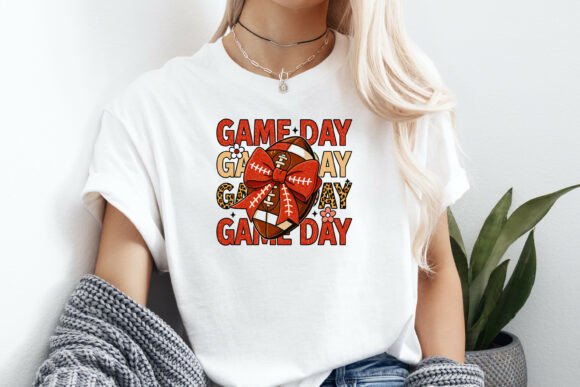
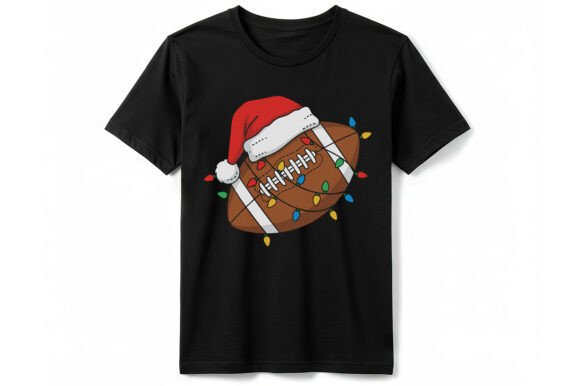
When I first opened the file for the Christmas Football Santa Hat T-shirt design, I immediately felt the cozy, playful energy it brings. The graphic combines a classic football shape with a warm holiday twist, wrapping the familiar pigskin in a string of tiny Christmas lights and topping it with a slightly tilted Santa hat. The lines are clean, the composition is balanced, and there's a friendly, approachable charm that doesn't lean too hard into cartoonish territory. It strikes a nice middle ground: festive enough for a holiday party, grounded enough for a diehard fan who'd rather watch the game than sing carols.
As a machine embroidery design, the mood is what matters most. This one feels like a December tailgate, a last-minute stocking stuffer, or a gift for a coach who lives in team hoodies. The visual personality is a little nostalgic, a little whimsical, and entirely wearable. I can already picture it stitched out on a cozy crewneck, a tote bag carried to the stadium, or a set of kitchen towels for someone who hosts the big festive game-day gathering. The design doesn't shout; it smiles. That's a quality I always look for in embroidery files meant for custom apparel and small shop products.
Where This Design Shines in Embroidery Projects
I see this Christmas Football Santa Hat T-shirt graphic working best on projects where the texture of embroidery can actually elevate the concept. The football itself is a natural fit for a satin stitch or a dense fill stitch that mimics the leather grain, while the lights and hat offer opportunities for playful thread color changes. I wouldn't treat it as a simple flat print; the whole point of bringing it into embroidery is to give it dimension. Imagine the Santa hat's white trim done in a soft, puffy satin stitch and the tiny bulbs as bright metallic or variegated threads. Suddenly a flat graphic becomes a tactile, premium product.
A Real‑World Test: From Screen to Stitch on a Tote Bag
Let me walk you through a project I'm mentally planning for a client. She runs a small handmade gift shop and wants a batch of personalized canvas tote bags for holiday craft fairs. The design needs to be instantly recognizable, gender-neutral, and durable enough to survive a few winters of grocery runs and gift hauling. The Christmas Football Santa Hat T-shirt design fits perfectly. I'd digitize it with a moderate stitch density, keeping the football outline bold enough to read from a distance, but not so heavy that it distorts the canvas fabric. A medium-weight cutaway stabilizer, a 4x4 or 5x7 hoop, and a palette of rich red, deep brown, white, and a couple of green and gold thread colors would do the trick. I'd probably add a thin running stitch highlight around the lights to make them pop against darker fabric.
Here's where the design's layout really wins: the football sits horizontally with the hat on top, so it fits a rectangular hoop perfectly without awkward dead space. That's a huge plus for small shop owners trying to maximize production speed and minimize thread waste. The shape doesn't feel cramped, and the design doesn't rely on tiny lettering that would close up under stitches. For an Etsy seller or a craft business owner, this kind of practical, hoop-friendly layout is a quiet but critical advantage.
The Practical Side: Stitch Outcomes and Fabric Choices
No embroidery design is universally forgiving, and the Christmas Football Santa Hat T-shirt deserves a thoughtful approach to fabric and placement. Because the football includes detail elements like the laces and the string of lights, you need to think about how those tiny details will translate. On a smooth, stable fabric like a cotton twill cap, a denim jacket, or a tight-weave canvas tote, the fine lines can hold up beautifully. On a fluffy fleece or a loosely knit sweater, the same details might sink or look fuzzy, robbing the design of its crispness.
I'm always mindful of stitch density and the dreaded "bulletproof" patch effect. The lights, if digitized with too many overlapping layers, could turn stiff and uncomfortable on a T-shirt. For a Christmas Football Santa Hat T-shirt used on a standard jersey tee, I'd want the digitizer to keep the fill areas light, maybe even use a subtle open fill stitch for the football body, so the garment stays soft and drapeable. A satin stitch border would still give it definition. If you're going for a sweatshirt embroidery project, you can get away with a bit more density, but still check how the design feels after washing. Customers notice when a design feels like a cardboard patch, and it can hurt repeat sales.
When to Be Cautious with Small Details
There are a few scenarios where I'd pause before committing to this design. First, very small hoop sizes. If you need to shrink the design to fit a baby romper or a narrow hat brim, the lightbulbs and the laces could become unreadable. I'd advise testing a scaled-down version first, and possibly simplifying the lights to just a few visible bulbs rather than the full string. Second, stretchy fabrics like performance wear or thin ribbed knits. Here, even with a good stabilizer, the football shape might distort after repeated wear. A floating technique with a topper can help, but I'd still choose a firmer substrate for the cleanest result.
Textured fabrics like waffle weave or thick terry cloth also demand a higher stitch count and a topping layer to prevent stitches from sinking. The white of the Santa hat trim could easily get lost on a dark background, so I'd sample the design on black, navy, and forest green before production. The lights might need a brighter thread than expected to stay visible, especially under event lighting. A quick black-and-white mockup test can reveal contrast issues that full color hides.
How This Design Affects Your Finished Product
When a customer receives a handmade item with the Christmas Football Santa Hat T-shirt design, the first thing they feel is recognition. It's a football. It's Christmas. It's a little bit funny and a little bit heartfelt. That immediate emotional connection builds trust in your brand. If you're selling personalized gifts, a design like this can make a simple sweatshirt feel like a thoughtful, curated present. The right embroidery execution turns a generic graphic into something that says, "This was made for you."
For a boutique product line, consistency matters. I'd develop a small collection around this motif: a matching dad cap, a child's tee, and a zippered pouch, all using the same thread palette and placement tweaks. This kind of cohesive family-of-products approach can double your average order value. The design also photographs beautifully for printable mockups; the layered textures of the stitched hat and football give your listing images depth that flat digital previews can't always match. That can improve buyer engagement and reduce the "doesn't look like the picture" complaints.
Designer Notes Before You Start Stitching
Every new embroidery file deserves a trial run, and the Christmas Football Santa Hat T-shirt is no exception. Here are my non‑negotiable pre‑production steps:
- Test on scrap fabric that matches your final product in weight and texture. A swatch test can reveal puckering, thread breaks, or misaligned details before you ruin a good blank.
- Review thread color contrast under warm and cool lighting. The red of the Santa hat should be distinct from the football's brown, and the lights should never blend into the background.
- Inspect stitch density in the small details. If the football laces are too dense, they might cause needle deflection on a multi‑needle machine.
- Confirm your hoop size can accommodate the design without crowding the edges. A 5x7 hoop is usually safe, but if you're using a 4x4, measure carefully.
- Test the design in black and white. A quick grayscale run‑out on plain cotton shows you whether the value structure holds up. This is especially important for the lights and the hat brim.
- Compare light and dark fabric backgrounds. The design might look excellent on a heather gray sweatshirt but lose the white trim on a white tee. Plan thread substitutions accordingly.
- Use the right stabilizer for your fabric. For a tote bag, a cutaway is my go‑to; for a T‑shirt, a no‑show mesh with a water‑soluble topper often works better.
As an embroidery designer, I also keep a running list of projects where this design would be a natural fit: holiday gifts for coaches, personalized aprons for game‑day grillers, embroidered patches for youth league teams, and even a cheeky pillow cover for the family room. The versatility is there, but only if the stitch‑out is clean and the design assets are well‑maintained.
Licensing and Commercial Use: What to Confirm
Before you list anything with the Christmas Football Santa Hat T-shirt, double‑check the license terms. The original product description says it's a festive football T‑shirt graphic, but when you purchase it as a digital embroidery file or a design asset, the usage rights can vary. Some files allow unlimited personal and commercial use on finished physical products; others restrict the number of items or prohibit reselling the file itself. I always read the fine print because I want to protect my craft business and my customers. If the license isn't clear, reach out to the designer and ask whether you can use it on handmade products for sale, in Etsy listings, or as part of a larger collection. A quick email can save you from a headache later.
For design assets that originally come from a T-Shirt Designs category or are labeled as Graphics, the shift to embroidery digitizing is usually allowed under a standard commercial use license, but don't assume. Clarify whether you can distribute the digitized file or only the finished embroidered product. If you're making custom apparel for a client, keep a receipt of the license. It's a small but critical step in maintaining professionalism and trust with your buyers.
After all the testing and planning, the Christmas Football Santa Hat T-shirt remains a charming, well‑laid‑out design that I'd happily add to my holiday embroidery project list. It's not trying to be everything to everyone, and that's exactly why it works. It knows its audience: the fan who loves the game, the mom who wants a cute handmade gift, the coach who deserves a little recognition. When you stitch it with care, it becomes more than a graphic; it becomes a tiny tradition, stitched into fabric and shared with a smile.