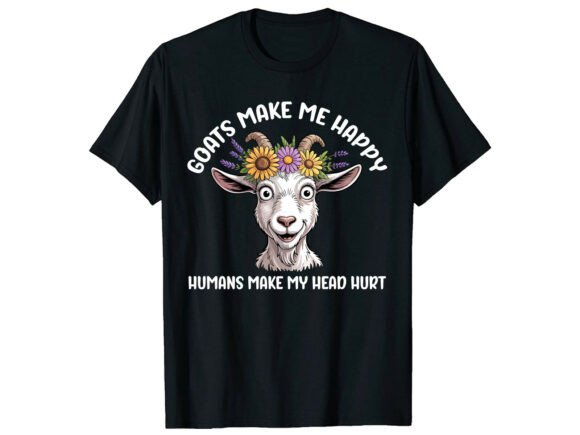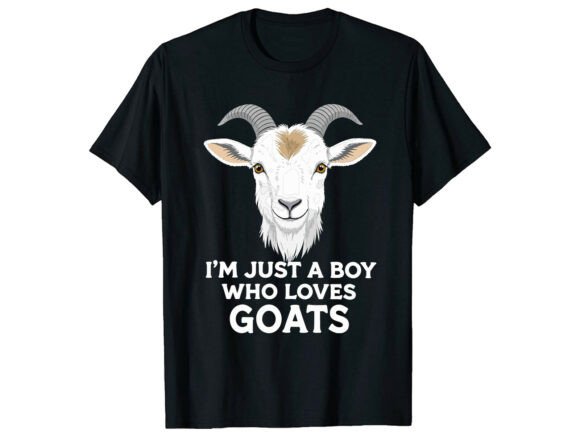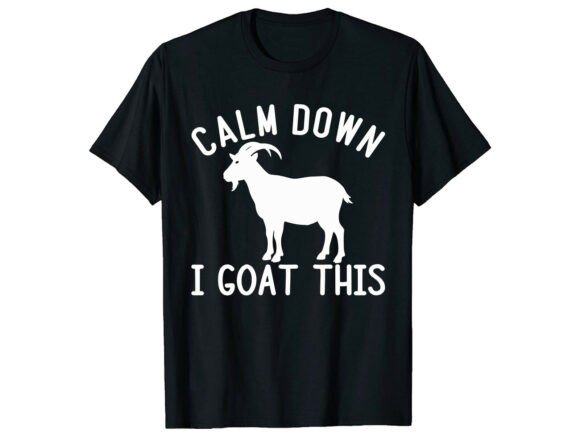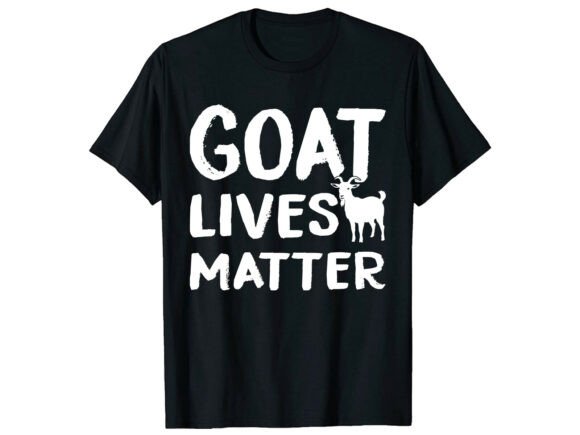
Fainting Goats Are My Animal T-Shirt
A Designer’s First Glance: Silhouette, Wit, and Stitch-Ready Charm
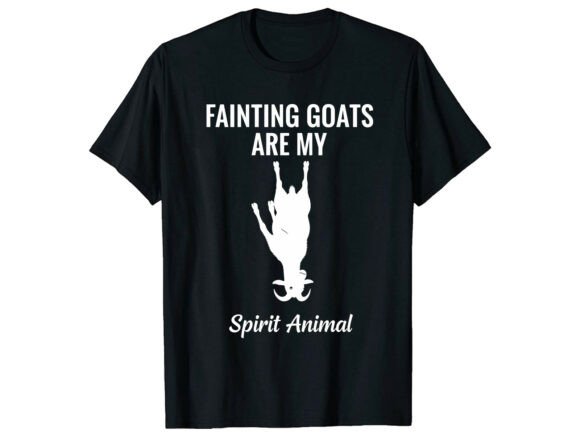
When I opened Fainting Goats Are My Animal T-Shirt for the first time, what struck me wasn’t just the humor—it was the clarity of intent. This isn’t a cluttered novelty graphic; it’s a confident, single-silhouette concept with clean negative space and intentional simplicity. The fainting goat pose—legs tucked, body relaxed mid-collapse—is instantly readable at 3–4 inches tall, which means it’ll translate well across embroidery projects without losing its personality. As a designer who regularly selects machine embroidery designs for real client work, I appreciate how this balances visual storytelling with practical stitchability. It feels like something you’d confidently embroider on a baby onesie for a goat-loving aunt or screen-print alongside hand-stitched details on a boutique apron.
Where It Shines: Real Projects That Feel Like a Natural Fit
I recently used Fainting Goats Are My Animal T-Shirt as the centerpiece for a custom embroidered tote bag for a local farm-to-table café. We stitched it in soft ecru thread on natural canvas—no fill stitch overload, no dense satin borders—and it held up beautifully after three rounds of washing and daily use. That’s the sweet spot: lightweight to midweight fabrics where the design breathes. It works especially well on sweatshirt embroidery (think crewneck cuffs or chest pockets), tea towels (where whimsy meets function), and pillow covers for nurseries or rustic guest rooms. For Etsy sellers, this is a strong candidate for holiday embroidery bundles—pair it with “Goat Yoga” or “Barnyard Therapy” as part of a lighthearted animal-themed collection. As a digital embroidery file, it’s compact enough to include in printable mockups without overwhelming the layout, and its bold shape reads clearly even in black-and-white previews.
What Makes It Feel Handmade—Not Mass-Produced
The charm of Fainting Goats Are My Animal T-Shirt lies in its restraint. There’s no excessive outlining, no tiny gradients or shadow effects that would vanish under thread. That makes it forgiving for craft business owners stitching on uneven fabric textures or using budget-friendly stabilizers. When stitched on a baby embroidery project—say, a onesie or burp cloth—the silhouette stays legible even at 2.5 inches wide, and the lack of fine interior detail means fewer skipped stitches on stretchy knit blends. Customers notice that difference: they comment on how “clean” and “intentional” it looks—not like a resized clipart afterthought, but like a design made *for* embroidery from the start.
Where to Proceed With Care
This isn’t a one-size-fits-all embroidery file. Its strength is also its limit: because it relies on shape and posture for impact, it loses nuance on very small hoop sizes (<2 inches) or ultra-dense fabrics like heavy terry cloth. On dark fabric, confirm your thread colors provide enough contrast—especially if stitching the goat in light gray or beige. Avoid layering it over seams or curved surfaces like cap fronts unless you’ve tested the distortion; the legs and head angle can warp subtly when stretched across a dome. And while the phrase “Fainting Goats Are My Spirit Animal” is clever, the text isn’t part of the core graphic—so if you’re adapting Fainting Goats Are My Animal T-Shirt into an applique design or adding lettering, treat the text as a separate element requiring its own digitizing care.
Stitch Density & Fabric Sensibility
I ran a test on lightweight cotton poplin with standard cutaway stabilizer—no puckering, no thread breakage. But on thin jersey or ribbed knit, I added tear-away + topping and reduced stitch density slightly in the goat’s body fill area. Why? Because while the design avoids heavy fill stitch blocks, even moderate density can overwhelm delicate weaves. If you’re planning Fainting Goats Are My Animal T-Shirt for commercial embroidery—say, for a small shop product line—run that test early. Not every customer will iron before washing, and you want the finished product to hold up through real life, not just studio conditions.
Design Judgment Beyond the Hoop
As a reviewer who’s seen hundreds of T-Shirt Designs cross my workbench, I judge Fainting Goats Are My Animal T-Shirt not just by how it stitches—but by how it lands with people. At a craft fair last month, a woman paused at our booth, smiled, and said, “That’s my therapist.” That kind of instant connection matters. It builds trust: customers feel seen, not sold to. For handmade product sellers, that emotional resonance elevates perceived value—this isn’t just another goat graphic; it’s a shared wink between creator and buyer. It supports brand consistency too: whether you’re branding a nursery decor line or launching a line of humorous kitchen textiles, Fainting Goats Are My Animal T-Shirt fits cleanly within a curated, personality-driven aesthetic.
Practical Notes Every Embroidery Designer Should Keep Handy
- Always test Fainting Goats Are My Animal T-Shirt on scrap fabric matching your final project’s weight and stretch.
- Check thread color contrast on both light and dark backgrounds—especially if offering custom apparel options.
- Review stitch density in the goat’s body contour; adjust if using metallics or specialty threads.
- Confirm hoop size compatibility before digitizing additions or scaling beyond recommended dimensions.
- Inspect small corners (like the goat’s hooves and ear tips) for potential stitch crowding on textured fabric.
- Use proper stabilizer—lightweight cutaway for stable wovens, tear-away + topping for knits.
- Verify licensing terms before selling finished products or bundling Fainting Goats Are My Animal T-Shirt as part of a digital embroidery file pack.
- Compare black-and-white mockups to assess readability without color crutches.
In short: Fainting Goats Are My Animal T-Shirt is a quietly smart design—funny without being juvenile, simple without feeling sparse, and versatile without sacrificing character. It’s the kind of Graphics asset that earns repeat use, not just one-off novelty runs. Whether you’re stitching for joy, gifting, or growing a craft business, this one holds its ground—and its smile—through every stitch.